



Bridge Resource Management Explained: What's in Volume 1 and Volume 2
What is Bridge Resource Management? Bridge Resource Management (BRM) is the coordinated use of all the human and technical resources available to the bridge team to make safe navigation decisions and prevent accidents. The Nautical Institute’s two-volume series covers it in full: Volume 1 deals with the human element, and Volume 2 deals with voyage planning and the management of systems and equipment.
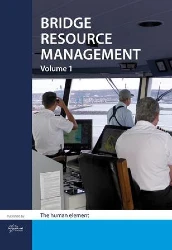
Volume 1: The Human Element
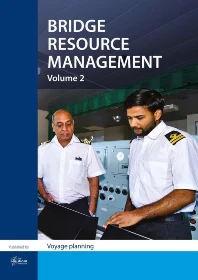
Volume 2: Voyage Planning
Bridge Resource Management is a core skill for any watchkeeping officer, and it is assessed at management level under STCW. The Nautical Institute now publishes it as a two-volume set, which raises an obvious question for buyers: what is in each volume, and do you need one or both? This guide breaks down Volume 1 and Volume 2 so you can order the right book.
What Bridge Resource Management Means
BRM is about using every resource on the bridge, the people, the equipment and the information, so that no single mistake leads to an accident. Good BRM means the bridge team anticipate problems, communicate clearly, challenge each other when something looks wrong, and act in time. The idea grew out of crew resource management in aviation and is now built into STCW competence standards.
The Nautical Institute’s two-volume series updates and replaces the long-standing Bridge Team Management (2003), bringing the material into line with current practice and equipment.[ 1 ]
What’s in Volume 1: The Human Element
Volume 1 covers the human side of an effective bridge team. It draws together contributions from several maritime experts and looks at the factors that let people perform at their best while staying alert to their own limitations. The main topics are:
- Situational awareness and team dynamics
- Communication and cultural diversity
- Authority, assertiveness and leadership
- Managing workload and dealing with overload
If your interest is leadership, teamwork and the human factors behind bridge errors, Volume 1 is the book you want.[ 2 ]
What’s in Volume 2: Voyage Planning
Volume 2 covers the technical side. Voyage planning is the cornerstone of safe navigation and good BRM, and this volume works through every stage of preparing and executing a passage plan. It covers a plan that takes account of all known information, sets clear margins of safety, and defines operational limits so the team can intervene in time. It also deals with the management of the systems, information and equipment that support shared mental models and timely intervention.[ 3 ]
If your interest is passage planning and the management of bridge systems and equipment, Volume 2 is the one.
Which Volume Do You Need?
- Choose Volume 1 if you are focused on leadership, communication, team dynamics and human factors.
- Choose Volume 2 if you are focused on voyage and passage planning and managing bridge systems and equipment.
- Choose the two-volume set if you are training deck officers to management level or equipping a ship or training centre, because the human and technical sides work together.
Most training centres and ship operators will want both, because BRM competence spans the human and the technical. The Nautical Institute sells the volumes individually and as a discounted two-volume set.
→ Buy Bridge Resource Management Volume 1 (The Human Element)
→ Buy Bridge Resource Management Volume 2 (Voyage Planning)
→ Buy the Bridge Resource Management Volume 1 and 2 Set
How the BRM Series Fits STCW
BRM underpins STCW competences in teamworking and leadership, which appear at both operational and management level, with the fuller leadership and managerial-skill competence set at management level. Training providers seeking course approval, and officers preparing for certification, use the Nautical Institute volumes as the current reference. The books do not replace an approved course, but they underpin the knowledge behind it.
BRM is also supported by an official IMO training framework, Model Course 1.22. For an overview of the IMO Model Course series and how it maps to STCW, see our guide to IMO Model Courses Explained. Voyage planning, the subject of Volume 2, is required under SOLAS Chapter V; for background on the convention, see our guide to the SOLAS Consolidated Edition 2024.
Important: Regulations and training standards change. Always verify requirements against the current official publication and your national maritime administration. This article is intended as a general guide only and does not constitute legal or compliance advice.
Frequently Asked Questions
What is Bridge Resource Management?
Bridge Resource Management is the coordinated use of all the human and technical resources on the bridge to make safe decisions and prevent accidents. It covers teamwork, communication, situational awareness, voyage planning and the management of bridge equipment.
What is the difference between BRM Volume 1 and Volume 2?
Volume 1 covers the human element: leadership, communication, team dynamics and workload. Volume 2 covers the technical side: voyage planning and the management of systems, information and equipment.
Do I need both BRM volumes?
It depends on your focus. The two volumes together cover full BRM competence, so training centres and ship operators usually want both. The Nautical Institute offers a discounted set for buyers who need the complete series.
Is Bridge Resource Management part of STCW?
Yes. BRM underpins STCW competences in teamworking and leadership, and the Nautical Institute volumes are widely used as a reference for training and certification.
Who publishes the Bridge Resource Management volumes?
The volumes are published by the Nautical Institute. They update and replace the earlier Bridge Team Management (2003).
Where can I buy Bridge Resource Management Volume 1 and Volume 2 in Australia?
Both Volume 1 and Volume 2, and the two-volume set, are available from Dandy Booksellers Australia with free delivery to Australian and New Zealand addresses.
References
[ 1 ] The Nautical Institute — Bridge Resource Management series — https://www.nautinst.org/shop-listing/bridge-resource-management-brm-series.html
[ 2 ] The Nautical Institute — Bridge Resource Management, Vol. 1: The Human Element — https://www.nautinst.org/shop/bridge-resource-management-vol-1-the-human-element.html
[ 3 ] IMO — STCW Convention (Standards of Training, Certification and Watchkeeping) — https://www.imo.org/en/OurWork/HumanElement/Pages/STCW-Convention.aspx
Related products



Free Delivery

Free delivery to all Australian and New Zealand mailing addresses.
Discounted E-books
For faster turnaround.
Download link via email within a couple of hours.
Information
 Home
HomeNew Products

Email us at sales@dandybooksellers.com.au
Australia
Dandy Booksellers
58 Allambi Avenue
Broadbeach Waters
4218 Queensland
United Kingdom
Dandy Booksellers Ltd
15 Hoopers Yard
Kimberley Road
London NW6 7EJ
Company registration number: 4846829



All prices in Australian Dollars (AUD)
