




FSS Code 2026 Edition: What the Fire Safety Systems Code Covers and Who Needs It On Board
What is the FSS Code? The FSS Code (International Code for Fire Safety Systems) is the IMO publication that sets the engineering specifications for the fire safety equipment and systems required by SOLAS Chapter II-2. It is mandatory, and it covers everything from fixed fire-extinguishing systems to detection, alarms and escape arrangements.
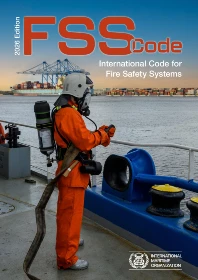
FSS Code 2026 Edition — available from Dandy Booksellers Australia
If your ship falls under SOLAS, the fire safety systems on board are not a matter of preference. They must meet the detailed technical standards set out in the International Code for Fire Safety Systems, known as the FSS Code. The 2026 Edition is the current reference, and it reflects the fire-safety changes that took effect on 1 January 2026. Here is what the Code covers, who needs a copy, and what has changed.
What the FSS Code Actually Is
The FSS Code is published by the International Maritime Organization. It sets out the engineering specifications for the fire protection systems that SOLAS Chapter II-2 requires ships to carry. SOLAS Chapter II-2 says what a ship must have. The FSS Code says exactly how each system must be built and how it must perform.
The Code was adopted by IMO Resolution MSC.98(73) and became mandatory under the revised SOLAS Chapter II-2 from 1 July 2002.[ 2 ] It applies to ships built on or after that date, with later amendments extending some requirements to existing ships. Because it is tied directly to SOLAS, compliance is not optional for vessels the Convention covers.[ 1 ]
What the 2026 Edition Covers
The FSS Code is organised into chapters, each dealing with one type of system. The main systems covered are:
- International shore connections
- Personnel protection, including breathing apparatus and fire-fighter outfits
- Fire extinguishers
- Fixed gas fire-extinguishing systems
- Fixed foam fire-extinguishing systems
- Fixed pressure water-spraying and water-mist systems
- Fixed fire detection and fire alarm systems
- Automatic sprinkler, fire detection and fire alarm systems
- Sample extraction smoke detection systems
- Low-location lighting
- Fixed emergency fire pumps
- Arrangement of means of escape
- Fixed deck foam systems
- Inert gas systems
- Fixed hydrocarbon gas detection systems
The 2026 Edition also includes the IMO resolutions and circulars relevant to the Code, along with the unified interpretations approved by the Maritime Safety Committee since 2004.[ 5 ]
What Changed for 2026
On 1 January 2026, a set of amendments to SOLAS Chapter II-2 and its associated codes came into force. The most widely discussed is the prohibition on fire-extinguishing media containing perfluorooctane sulfonic acid (PFOS), adopted by resolution MSC.532(107). From that date, PFOS-based firefighting foams cannot be used or stored on board.[ 3 ]
Other changes include new requirements for confirming the flashpoint of fuel oils, new fire detection requirements on cargo ships, and stronger fire detection, containment and suppression requirements on roll-on/roll-off passenger ships.[ 4 ] The 2026 Edition brings the published FSS Code into line with the wider SOLAS Chapter II-2 fire-safety regime in force from that date. Some of these changes, such as the PFOS ban, sit in the SOLAS regulations themselves rather than in the FSS Code chapters, so operators should hold current copies of both.
Who Needs the FSS Code On Board
The FSS Code is a working reference for anyone who designs, approves, operates or maintains a ship’s fire safety systems, including:
- Ship operators and managers of SOLAS vessels
- Masters and officers responsible for fire safety on board
- Shipbuilders and naval architects designing fire safety systems
- Classification societies and flag State surveyors
- Fire safety equipment manufacturers and service providers
- Maritime training providers
Anyone confirming that a system meets SOLAS needs the exact specifications, and those live in the FSS Code, not in SOLAS itself.
The FSS Code works hand in hand with SOLAS. For background on the parent convention, see our guide to the SOLAS Consolidated Edition 2024.
Ships carrying dangerous goods have further fire-protection duties under SOLAS Chapter II-2 and the IMDG Code. See our guide to the IMDG Code 2024.
Print or Digital
The 2026 Edition is supplied as a digital e-reader edition, accessed through the IMO e-Publications platform. A download link is emailed after purchase, usually within a couple of hours during business hours. Digital is the fast option when you need the current specifications to a deadline. The FSS Code 2026 Edition is available from Dandy Booksellers Australia.
→ Buy the FSS Code 2026 Edition from Dandy Booksellers
Important: Regulations change frequently. Always verify requirements against the current official edition of the relevant publication. This article is intended as a general guide only and does not constitute legal or compliance advice.
Frequently Asked Questions
What is the FSS Code?
The FSS Code, or International Code for Fire Safety Systems, is the IMO publication that gives the engineering specifications for the fire safety systems required by SOLAS Chapter II-2. SOLAS sets out what systems a ship must have; the FSS Code sets out how each system must be built and perform.
Is the FSS Code mandatory?
Yes. The Code was made mandatory under SOLAS Chapter II-2 from 1 July 2002, so it applies to ships the SOLAS Convention covers.
What is the current edition of the FSS Code?
The 2026 Edition (ISBN 9789280118452), published by the IMO in May 2026. It reflects the fire-safety amendments in force from 1 January 2026.
What changed in the 2026 fire safety rules?
The headline change is the ban on firefighting foams containing PFOS. The amendments also add requirements for confirming fuel oil flashpoint, fire detection on cargo ships, and fire detection, containment and suppression on roll-on/roll-off passenger ships.
Where can I buy the FSS Code 2026 Edition in Australia?
The FSS Code 2026 Edition is available from Dandy Booksellers Australia, an authorised IMO distributor, with free delivery to Australian and New Zealand addresses.
References
[ 1 ] IMO — Summary of SOLAS Chapter II-2 — https://www.imo.org/en/ourwork/safety/pages/summaryofsolaschapterii-2-default.aspx
[ 2 ] IMO — Resolution MSC.98(73), adoption of the FSS Code — https://wwwcdn.imo.org/localresources/en/KnowledgeCentre/IndexofIMOResolutions/MSCResolutions/MSC.98(73).pdf
[ 3 ] DNV — PFOS prohibited in fire-extinguishing media from 1 January 2026 — https://www.dnv.com/news/2025/pfos-prohibited-in-fire-extinguishing-media-from-1-january-2026/
[ 4 ] UK MCA — MGN 713 (M), fire protection regulations in force 1 January 2026 — https://www.gov.uk/government/publications/mgn-713-m-fire-protection-regulations-adoptions-of-amendments-in-imo-resolutions-in-force-on-1-jan-2026
[ 5 ] IMO — Publications (FSS Code) — https://www.imo.org/en/Publications
Related products

Free Delivery

Free delivery to all Australian and New Zealand mailing addresses.
Discounted E-books
For faster turnaround.
Download link via email within a couple of hours.
Information
 Home
HomeNew Products

Email us at sales@dandybooksellers.com.au
Australia
Dandy Booksellers
58 Allambi Avenue
Broadbeach Waters
4218 Queensland
United Kingdom
Dandy Booksellers Ltd
15 Hoopers Yard
Kimberley Road
London NW6 7EJ
Company registration number: 4846829



All prices in Australian Dollars (AUD)
